

One Ruby, Four Masters: A Journey Through the Grand Bazaar’s Workshops
Istanbul’s Grand Bazaar: Where Handmade Craft Endures Umit Berksoy, a 78-year-old veteran jeweler, takes a ruby that has sat in his safe for years out of a creased white cloth. He says rubies of…
Istanbul’s Grand Bazaar: Where Handmade Craft Endures
Umit Berksoy, a 78-year-old veteran jeweler, takes a ruby that has sat in his safe for years out of a creased white cloth. He says rubies of this size can no longer be found, and it is a perfect fit for a ring. He sets off through the Grand Bazaar to have it set, and along the way shows the hidden side of the market: the tiny workshops where, in his view, its true value lies.
History and structure
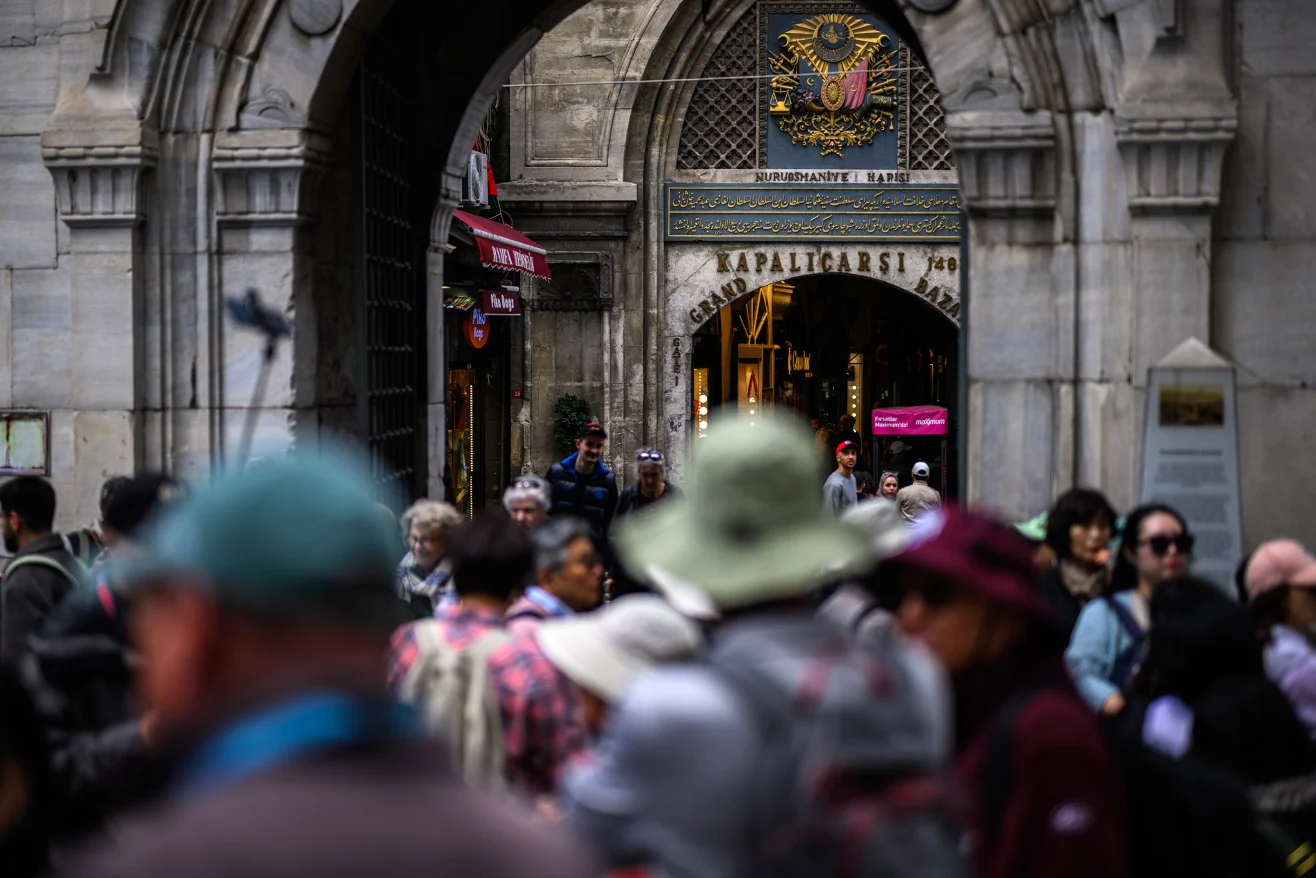
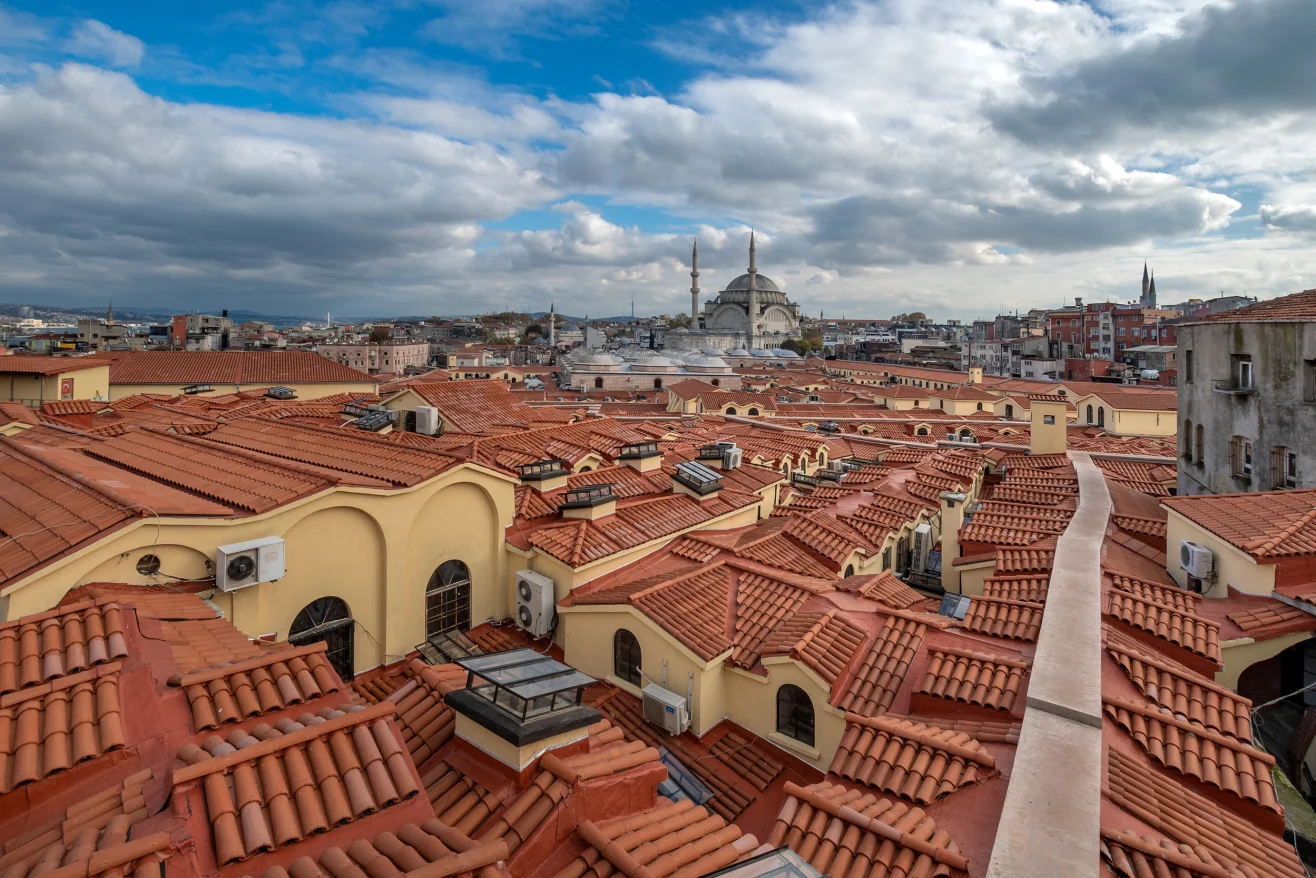
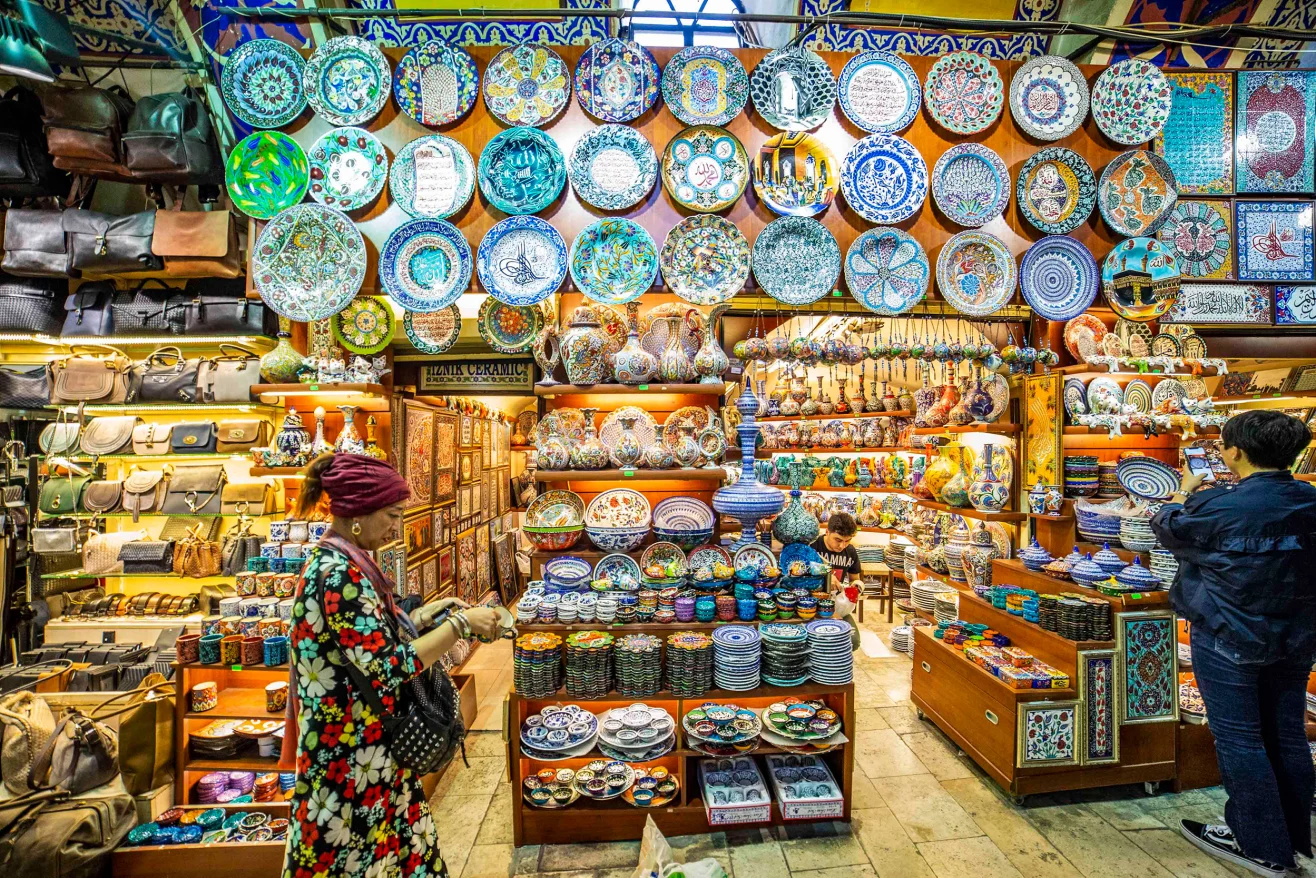
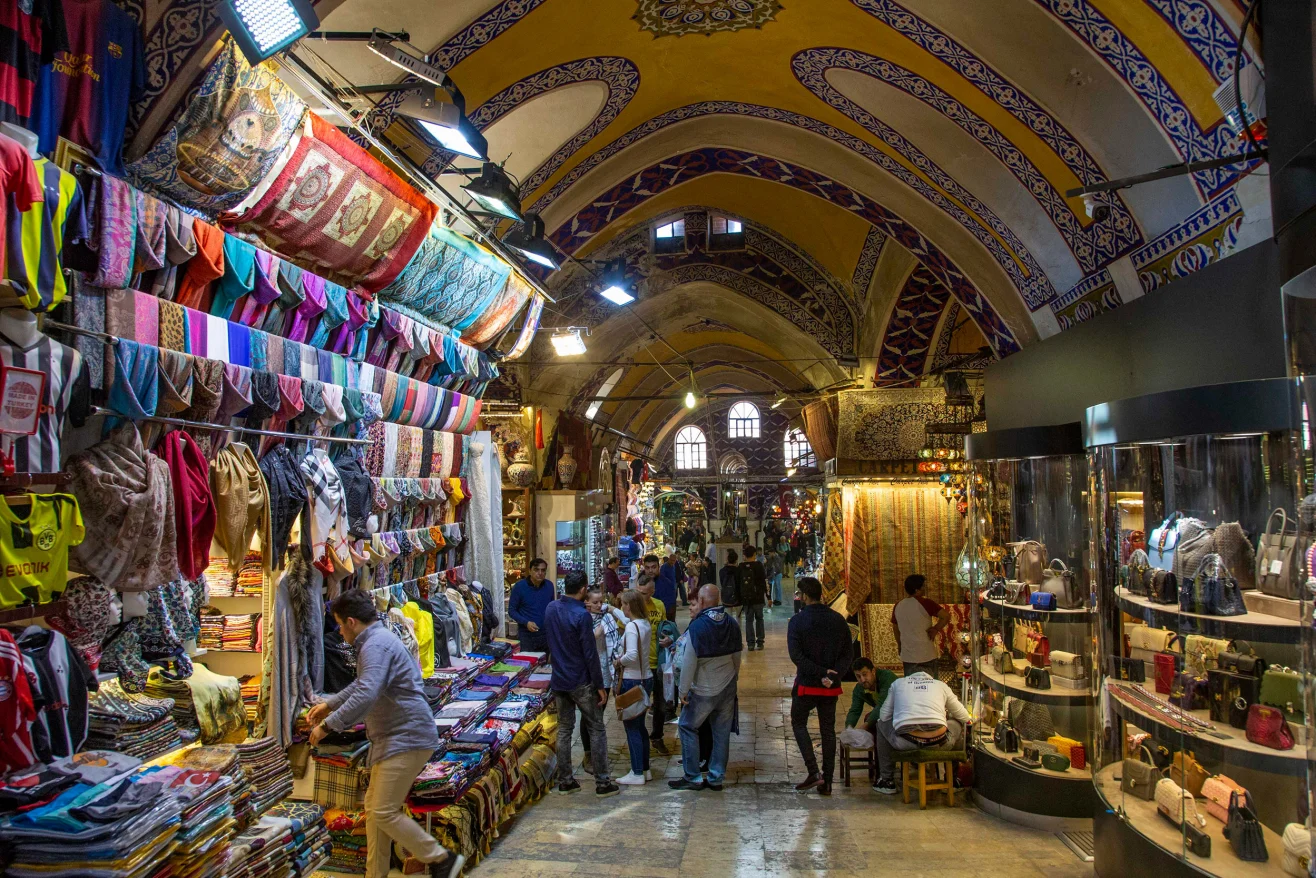
The bazaar’s foundation was laid by the 21-year-old Ottoman Sultan Mehmed II soon after he conquered Constantinople in 1453. He needed a trading center to finance his foundations and serve a highly diverse population. Over hundreds of years, and through major earthquakes, it grew into the heart of Turkey’s traditional commerce and a training ground for generations of craftsmen. Masters from the Armenian, Greek, Jewish, and Syriac minorities worked side by side, forming lasting partnerships that helped keep the bazaar alive.
The alleys, which the art historian Mustafa Cezar describes as orderly like military barracks, divided organically by trade and were named after them. Today there are 65 streets, 14 inns, about 3,600 shops, and 11 main gates, with up to 400,000 visitors a day. Shops change with trends and tourist tastes, but Berksoy says the thick masonry walls preserve the bazaar’s spirit. Security includes more than 128 surveillance cameras.
At the center is Cevahir Bedesteni, a 15-domed structure around which the market grew. It sits beneath a Byzantine-era eagle relief and an inscription, according to professor Kenan Mortan, comparing profit to a wild bird that can only be hunted with grace.
The ruby’s journey
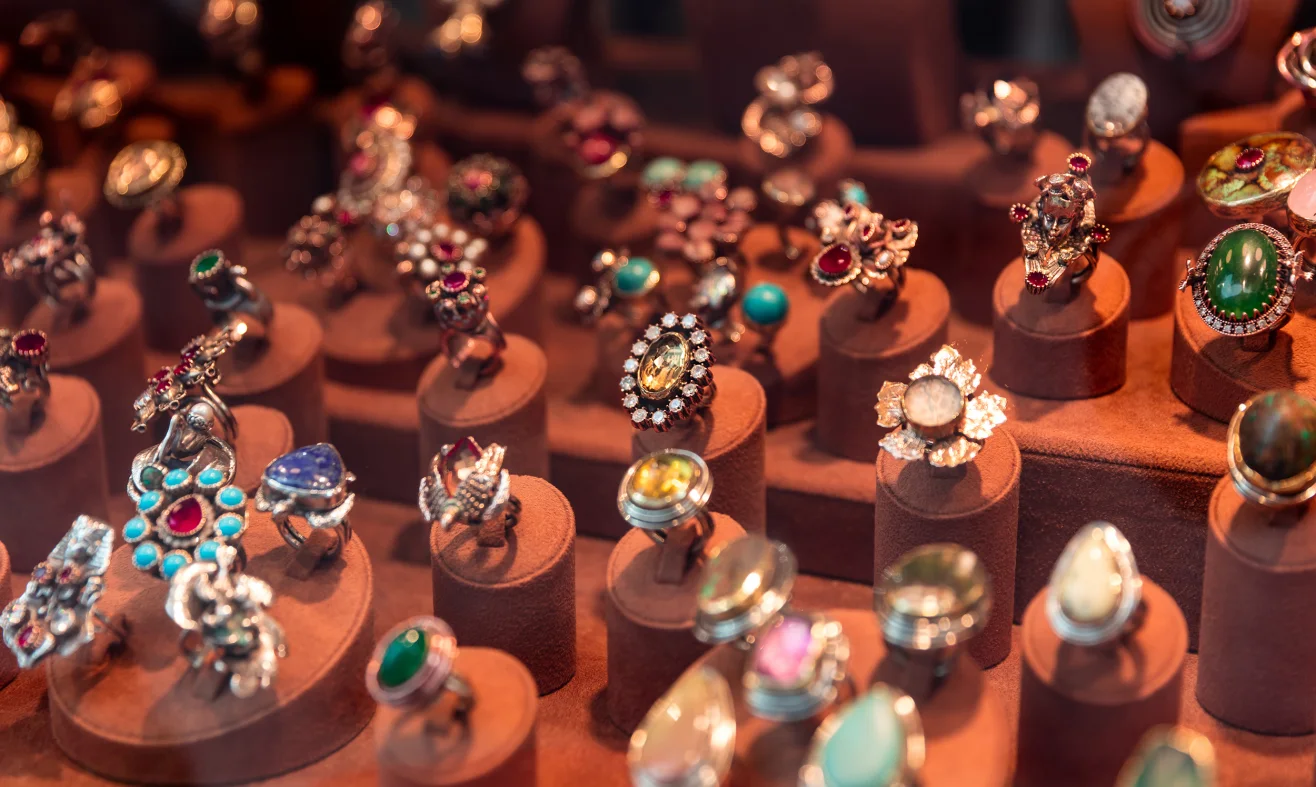
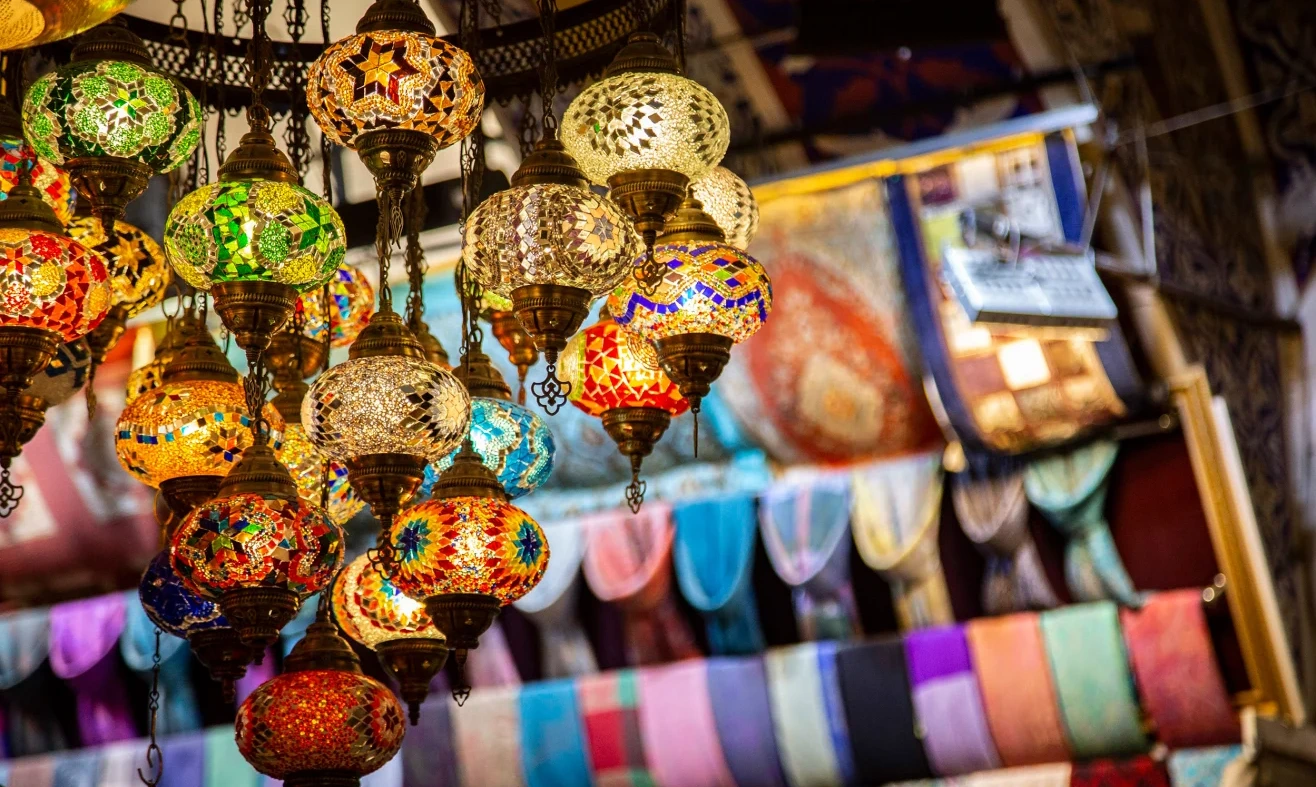
Along the way: Berksoy greets regulars at every corner and stops at Apraham, a tiny wood-framed shop selling raw gold and precious metals since 1882 and named after its Armenian founder. He also visits Epoque, an antique store open since 1865. There Getvart Teminyan, 76, who joined as a teenage assistant, now runs the shop with his former apprentice Ibrahim Halil Iyisarac, 63. Teminyan says more people are selling fine pieces because of the economic situation, but that every fall has a way back up.
The goldsmith: In İkizler Han, a warren of jewelry workshops dating to the late 1940s, the ruby goes to Sevan Harunyan, 54, whose workshop is among the bazaar’s most established. He has spent 46 years in the craft and has turned Berksoy’s sketches into jewelry for over 40 years, including pieces once displayed at Barneys New York and worn by celebrities. The workshop’s only window overlooks the rooftops from the opening scene of the 2012 Bond film “Skyfall.”
The next generation: Sevan’s sons, Aras, 25, and Arda, 22, first came to the workshop around age 10 during school holidays, watching and shaping simple sketches. Aras, a statistics graduate of Mimar Sinan University, introduced computerized design. Arda is the more hands-on one and still learning. Sevan says the master-apprentice tradition must be preserved because it has value when passed on, and that this will remain the way of the bazaar however many malls appear. Armenians, with roots in Anatolia long predating Ottoman rule, have a centuries-old reputation as top artisans and dominated the jewelry scene in and beyond the bazaar.
The stone-setter: Hrant Zorbas, 66, who specializes in stone-setting (“mihlama”), sets the ruby into the frame. He works with a leather cloth on his lap to catch valuable residue and trusts his own eyes to find cracks, faults, and setting marks. His 42-year-old son Shant prefers a modern jeweler’s microscope. Shant says lifestyles and attitudes toward luxury have changed, and items like tie pins and jacket pins have fallen out of fashion, but people who value handmade jewelry remain.
Conclusion
Jewelry is the bazaar’s largest single trade. A 2017 study counted 57 masters serving 532 jewelers, gold dealers, and jewelry shops. The finished ring has the ruby fitted into the frame and supported by thin rows of baguette diamonds on both sides. Berksoy asks which factory-made ring could match it and calls it the soul of the bazaar.